
Wall Plastering
Repair or correct suitable wall surfaces based on the substrate condition and required finish.
Residential surface repair and preparation
RenoExpert coordinates wall and ceiling plastering, skim coating, local patching, minor surface-crack repair, make-good after hacking, surface correction and preparation before painting for residential renovation projects.
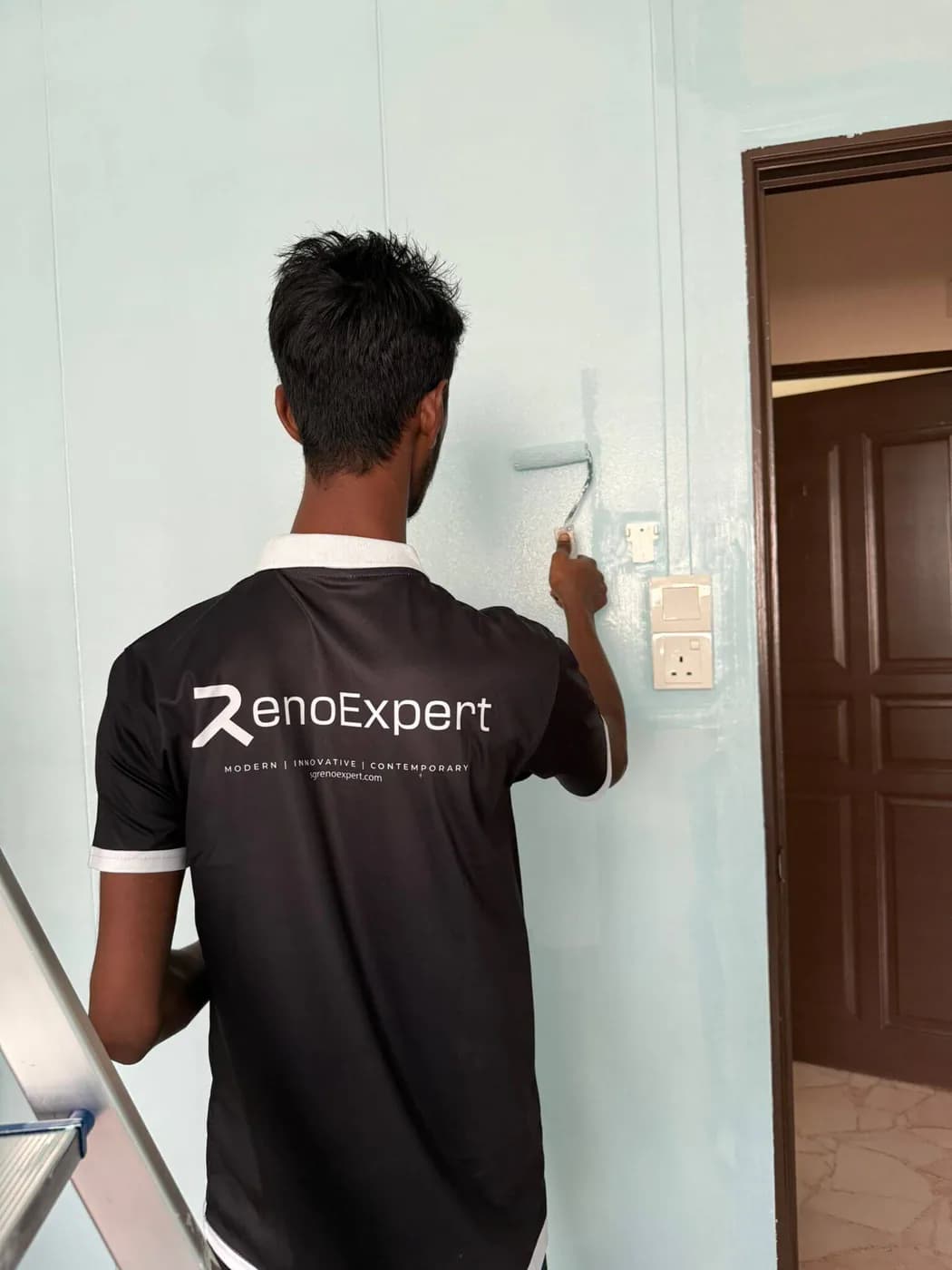
Plastering and repair scope
The correct approach depends on the substrate, affected area, repair depth and finish required.
Repair or correct suitable wall surfaces based on the substrate condition and required finish.
Patch selected damaged or altered ceiling areas before the agreed finishing work.
Apply a thin finishing layer to suitable substrates to improve minor irregularities and smoothness.
Reinstate local holes, chases and small breakouts according to their size, depth and substrate.
Review and patch suitable non-structural surface cracks as preparation, without assuming every crack is cosmetic.
Define patching, levelling or plaster preparation after agreed removal work.
Improve selected old, patched or visibly uneven surfaces to the degree stated in the quotation.
Coordinate scraping, repairs, sanding, dust removal, primer or sealer and later painting as separate scope items.
Wall plastering Singapore
Uneven finishes, previous renovation marks, electrical or plumbing chases, hacking damage and local deterioration may require plastering before repainting. Every wall does not need full replastering.
The scope depends on whether the substrate is sound, the depth of correction, how separate patches meet existing finishes and the appearance required afterward.
Ceiling plastering
Local unevenness, old fixture positions, small damaged areas or renovation alterations may require patching before ceiling painting. Work around false ceilings should also be coordinated with ceiling and partition services. Plastering is not a fix for active leakage.
Skim coat Singapore
A skim coat can improve minor irregularities and produce a smoother finish on a suitable wall or ceiling before painting. It is not waterproof and is not intended to correct major structural defects or severe substrate failure.
Useful scope distinction
These terms should not be treated as interchangeable quotation items.
Used where a thicker repair or build-up is needed to restore or correct a suitable surface.
A thinner finishing layer used mainly to improve smoothness and minor surface irregularities.
Wall patching
Holes from removed fixtures, old plugs, electrical or plumbing chases, small breakouts and marks left by removed built-ins may be repaired locally.
Patching scope depends on the size, depth, substrate and required finish. A local patch may remain different from an aged surrounding surface unless broader preparation is included.
Crack clarification
Some small non-structural surface cracks may be prepared and patched as part of painting preparation. Plastering is a finishing and repair trade, not structural engineering, and plaster does not correct structural movement.
Cracks that grow, return after repair, appear unusually wide, occur around structural elements, accompany movement or appear with unexplained deformation may require appropriate professional assessment before cosmetic repair. This page does not diagnose structural cracks or prescribe PE involvement.
Make-good after hacking
Wall openings, removed tiles, chased services, cabinets, partitions, fixtures or ceiling alterations may leave areas needing patching, plastering, levelling, skim coating or preparation for paint, tile or floor finishes. Hacking and demolition and make-good remain separate unless explicitly bundled.
Electrical and plumbing chases
Chases from electrical or plumbing modifications may need reinstatement before painting. Not every wall is suitable for every concealed route, so routing and wall constraints must be reviewed first.
Painting preparation
Preparation may include scraping loose material, local patching, plaster repair, skim coating, sanding, dust removal and a suitable primer or sealer before paint is applied.
Plastering does not automatically include painting. The quotation should identify surface repair, preparation and painting services separately or state clearly when they are combined.
Dampness, leakage and mould
Plaster damage, dampness, seepage, plumbing leakage, waterproofing failure, condensation and mould are not the same condition. The cause should not be assumed from the damaged finish alone.
Replastering or repainting a damp wall without resolving the moisture source may result in the problem returning. Plastering is not waterproofing and does not permanently cure mould. Relevant wet-area or pipe work may require plumbing assessment or coordination with bathroom renovation.
Uneven walls
Surface correction can improve old plaster, renovation transitions and patched areas before painting or finishing. It does not promise perfectly straight structural walls through a basic skim coat; the result depends on existing condition and required build-up.
Around built-ins
Uneven walls can affect gaps beside wardrobes, kitchen cabinets, TV consoles, skirting and tall units. Surface requirements should be coordinated with carpentry measurements and installation sequencing.
Plastering cost in Singapore
No verified universal plastering rate is available. Any project-specific quotation item must remain in its documented context rather than being published as a standard rate.
Request a Detailed QuotePlastering process
The sequence depends on existing condition, access and related renovation work.
Share the property type, affected wall or ceiling locations, photos and approximate area.
Review the visible substrate, damage, access, moisture signs and surrounding finishes.
Distinguish local patches, build-up plastering, skim coating and issues needing further assessment.
Confirm protection, repairs, preparation, painting and related trade items in the quotation.
Complete the agreed patching, plastering or skim-coat work on suitable prepared surfaces.
Prepare the repaired surface for the quoted paint or next-trade scope.
Coordinate painting where included or hand over the prepared area for subsequent work.
Residential properties
Plastering can be reviewed for HDB flats, condominiums, apartments and landed homes where applicable.
The correct scope is based on the actual substrate, access, occupied or vacant condition and surrounding renovation—not thin location-specific claims.
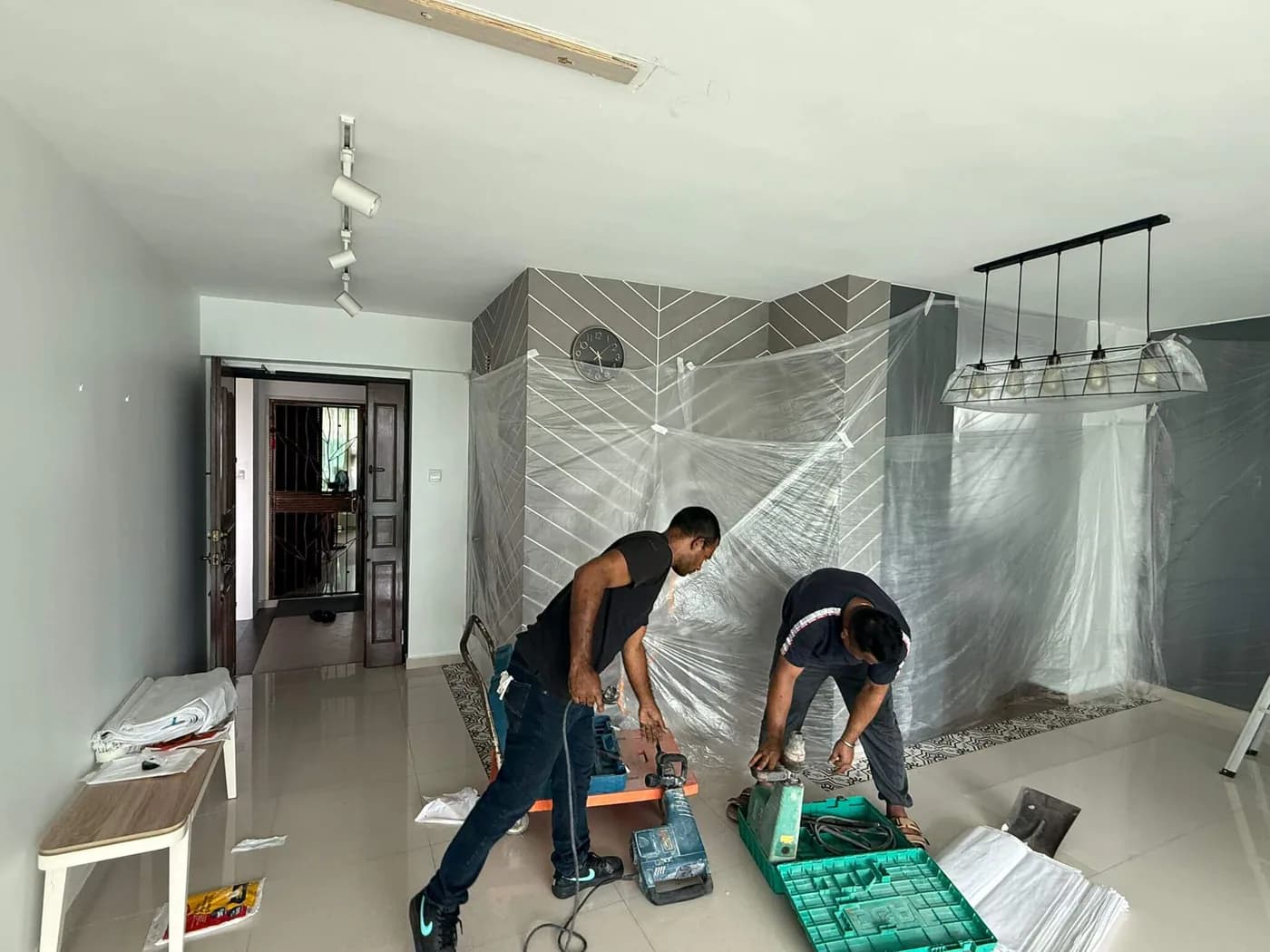
RenoExpert site photography
Genuine project images showing preparation and finishing activity.
Why RenoExpert
Work with a direct renovation contractor that can assess the visible surface, define local or broader repairs, coordinate plastering with painting and other trades, and provide a clear site-specific quotation.
The service can support a local repair or form part of a wider full house renovation and make-good sequence.
Plastering FAQ
Plastering generally restores or builds up a surface where a thicker correction is needed. Skim coating is a thinner finishing layer used mainly to improve smoothness on a suitable substrate.
It can improve suitable uneven or patched surfaces, but the degree of correction depends on the existing substrate, required build-up and agreed finish. A basic skim coat cannot make every structural wall perfectly straight.
Some small non-structural surface cracks may be prepared and patched. Growing, recurring, wide or unusual cracks, movement or deformation should not automatically be treated as cosmetic and may need appropriate assessment first.
Selected uneven, locally damaged or altered ceiling areas may be patched or plastered before repainting. Active leakage or unresolved moisture must be addressed separately.
Damaged finishes may be repaired only after the moisture source is identified and resolved. Replastering a damp wall without correcting leakage, seepage, condensation or another cause may allow the problem to return.
Make-good patching, plastering, levelling or preparation can be reviewed after removal work. Hacking, debris handling and make-good should be separately defined unless the quotation explicitly combines them.
Not automatically. Plaster repair, skim coat, sanding, primer or sealer and paint application should be identified as separate or combined quotation items.
Localised repair may be suitable for holes, chases or small damaged areas. The required scope depends on the repair depth, size, substrate and how the repaired area must blend with the surrounding finish.
Yes. Plastering and surface preparation can be coordinated with hacking, electrical, plumbing, ceiling, carpentry and painting work when included in the wider renovation scope.
Request a quotation
Share the property type, photos, affected location, approximate area, cracks, holes or uneven surfaces, earlier hacking or service work, and whether painting is required.
Get a Plastering Quote