



HDB Rewiring Singapore: Signs, Scope, Timeline & Planning Checklist
Doing rewiring during renovation improves safety and prevents future power trips—especially for older flats and higher-load appliances.
Read moreRead less
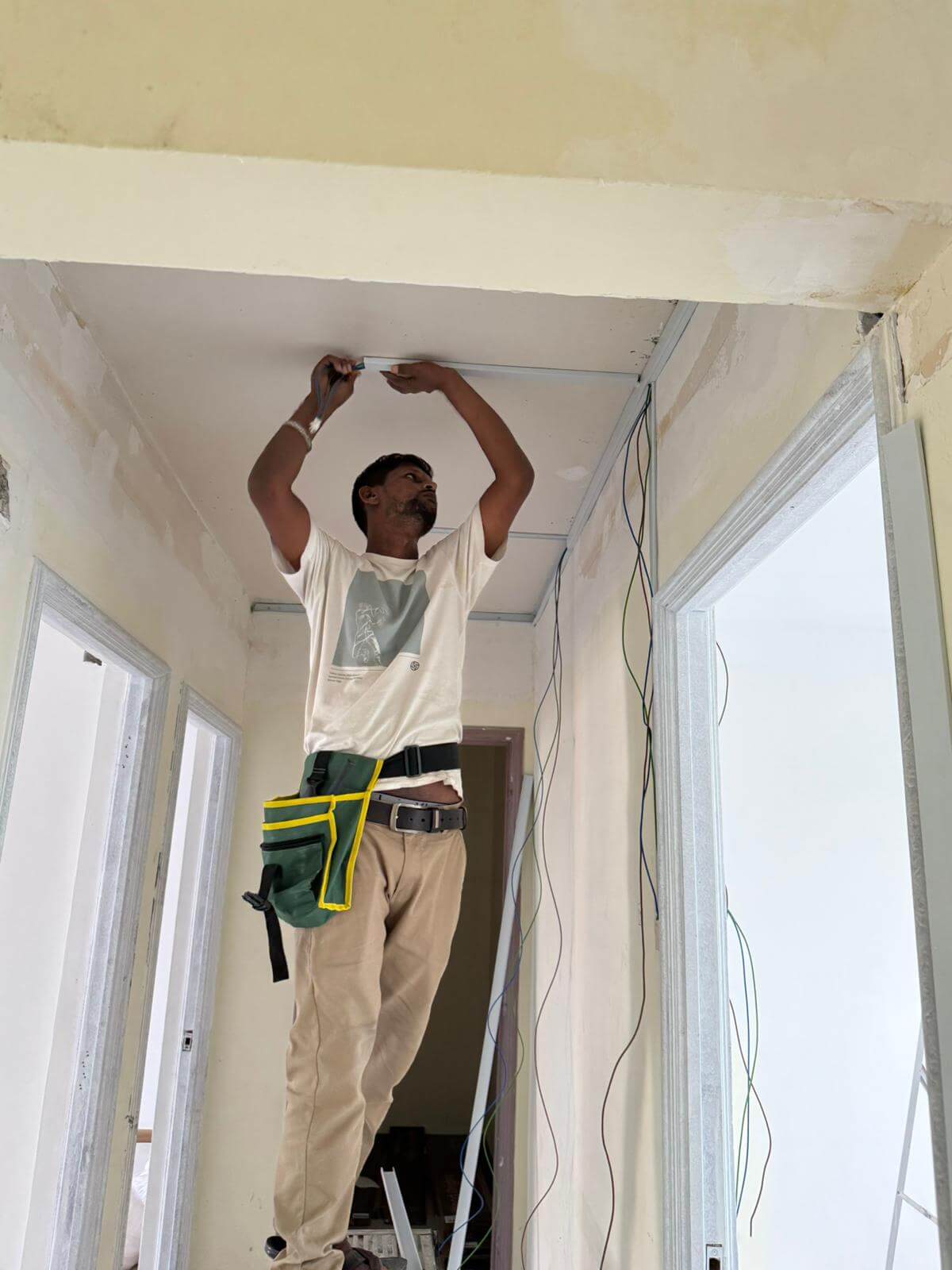
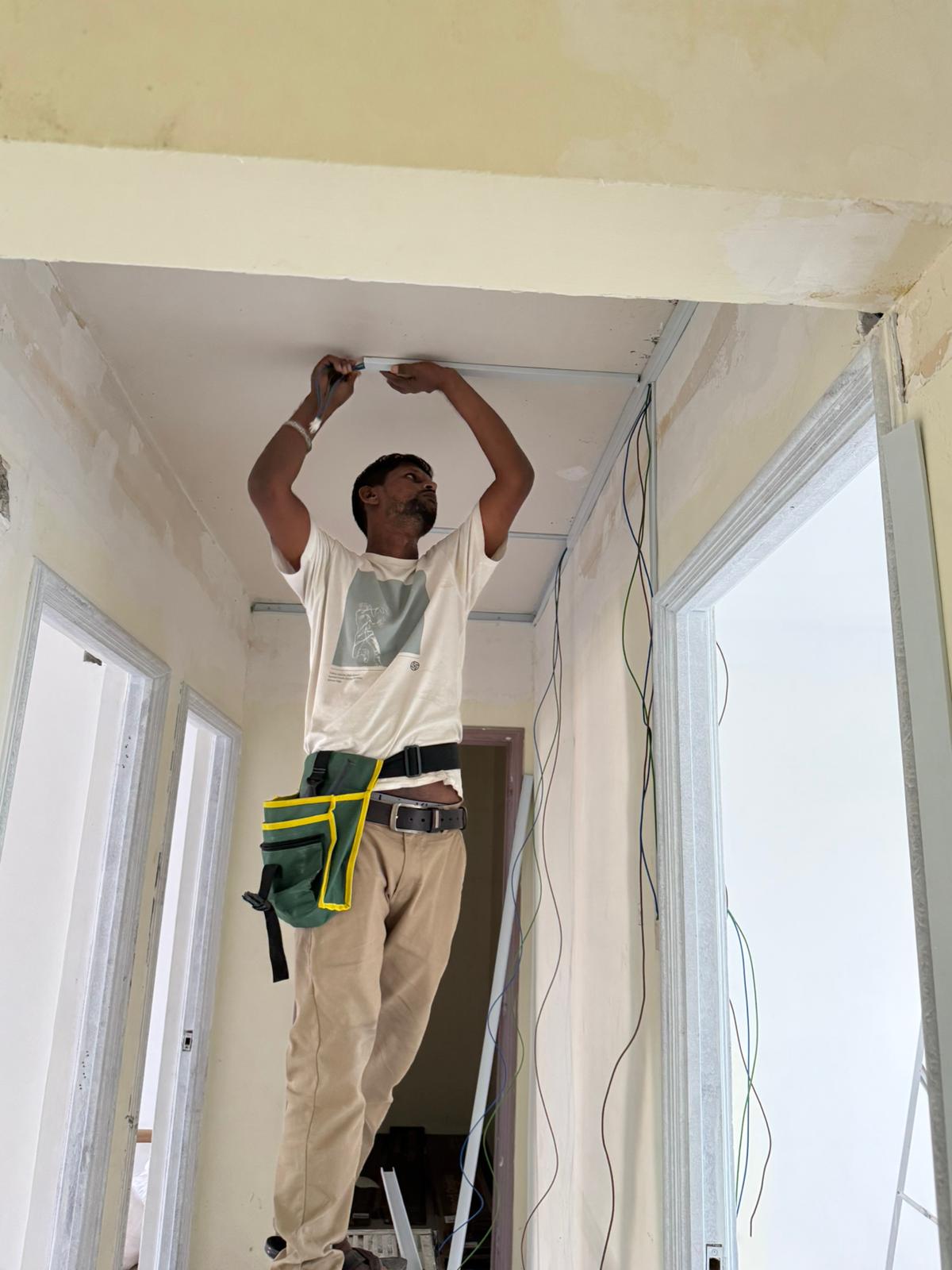
If you’re renovating an older HDB flat or upgrading your appliances (aircon, oven, instant heater, dryer), rewiring (full or partial) is one of the highest-impact electrical upgrades. The best time is during renovation because routing is easier before carpentry/ceiling finishes—saving rework and avoiding messy surface trunking later.
1) Common signs you may need rewiring (or partial rewiring)
- Frequent circuit trips (even during normal daily usage)
- Flickering lights, buzzing switches, intermittent socket power
- Warm/hot socket faceplates, burnt smell, loose switches
- Many extensions/adaptors due to insufficient power points
- Planned upgrade to high-load appliances or additional aircon units
2) Full rewiring vs partial rewiring (simple explanation)
Full rewiring typically replaces and re-routes most lighting and power wiring and re-terminates circuits at the distribution board (DB). Partial rewiring focuses on key areas (often kitchen load, specific room upgrades, aircon lines, or adding dedicated appliance points). The correct choice depends on existing cable condition, your renovation scope, and how much your load is increasing.
3) What rewiring scope usually includes in a renovation
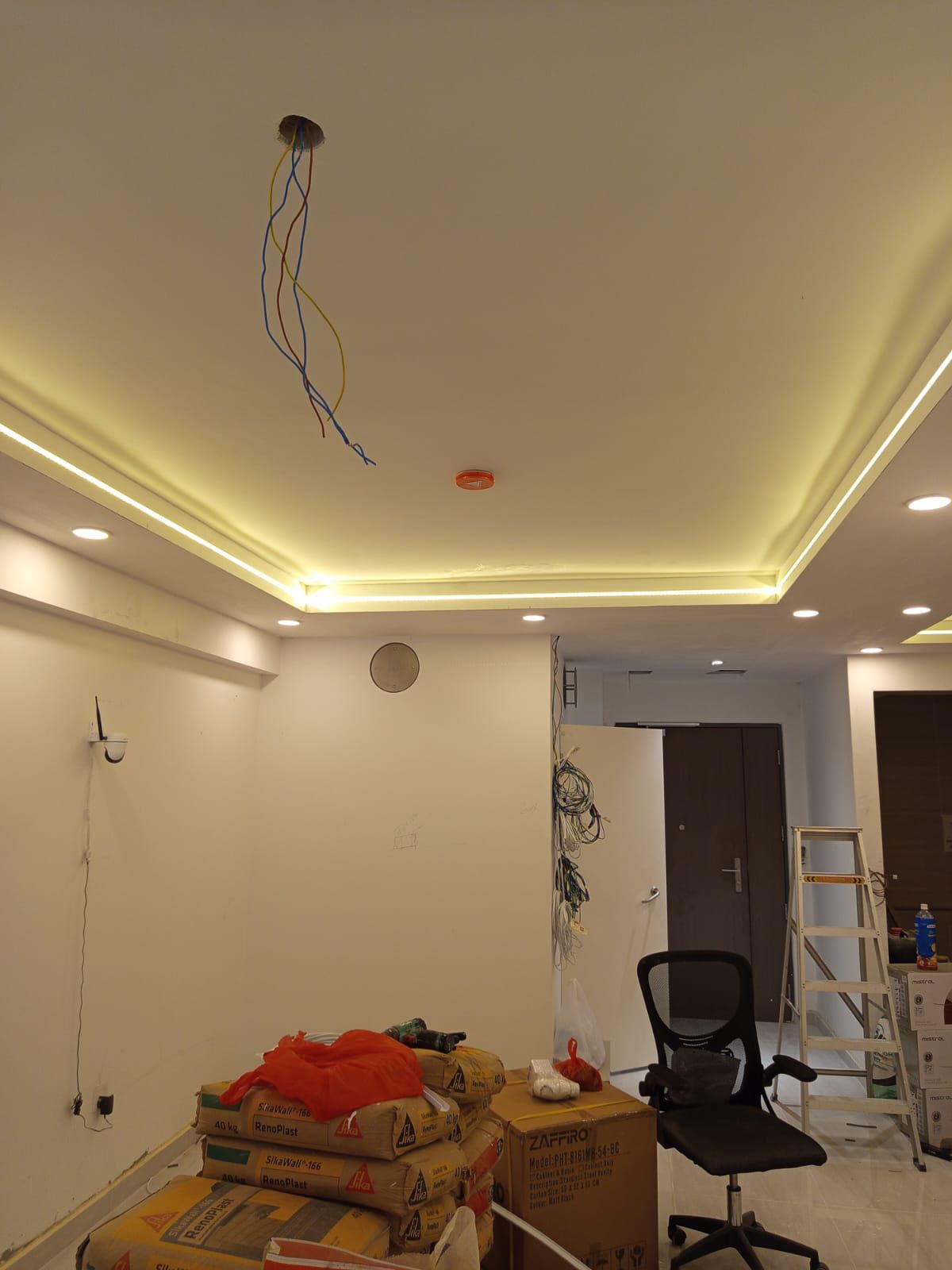
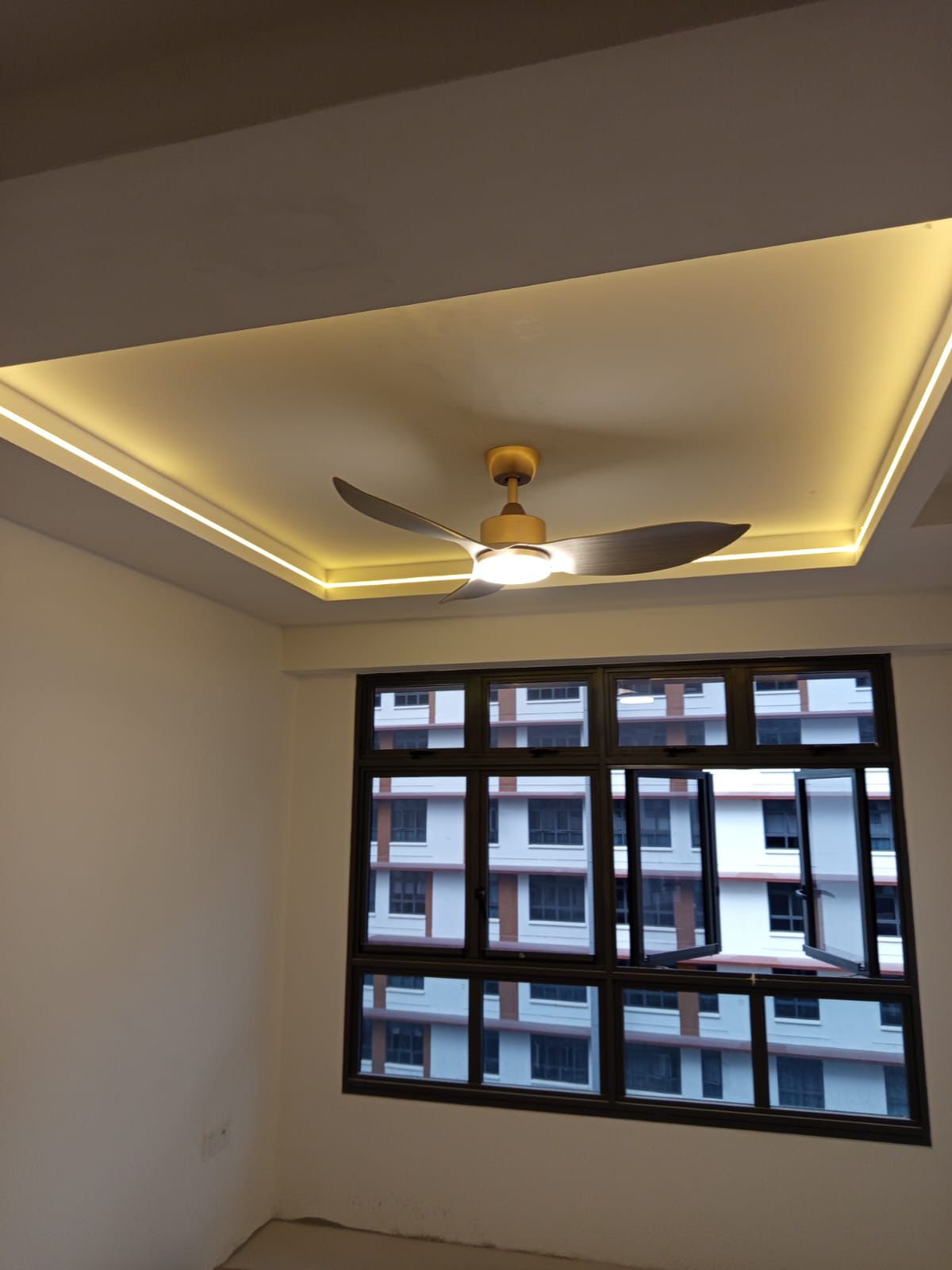
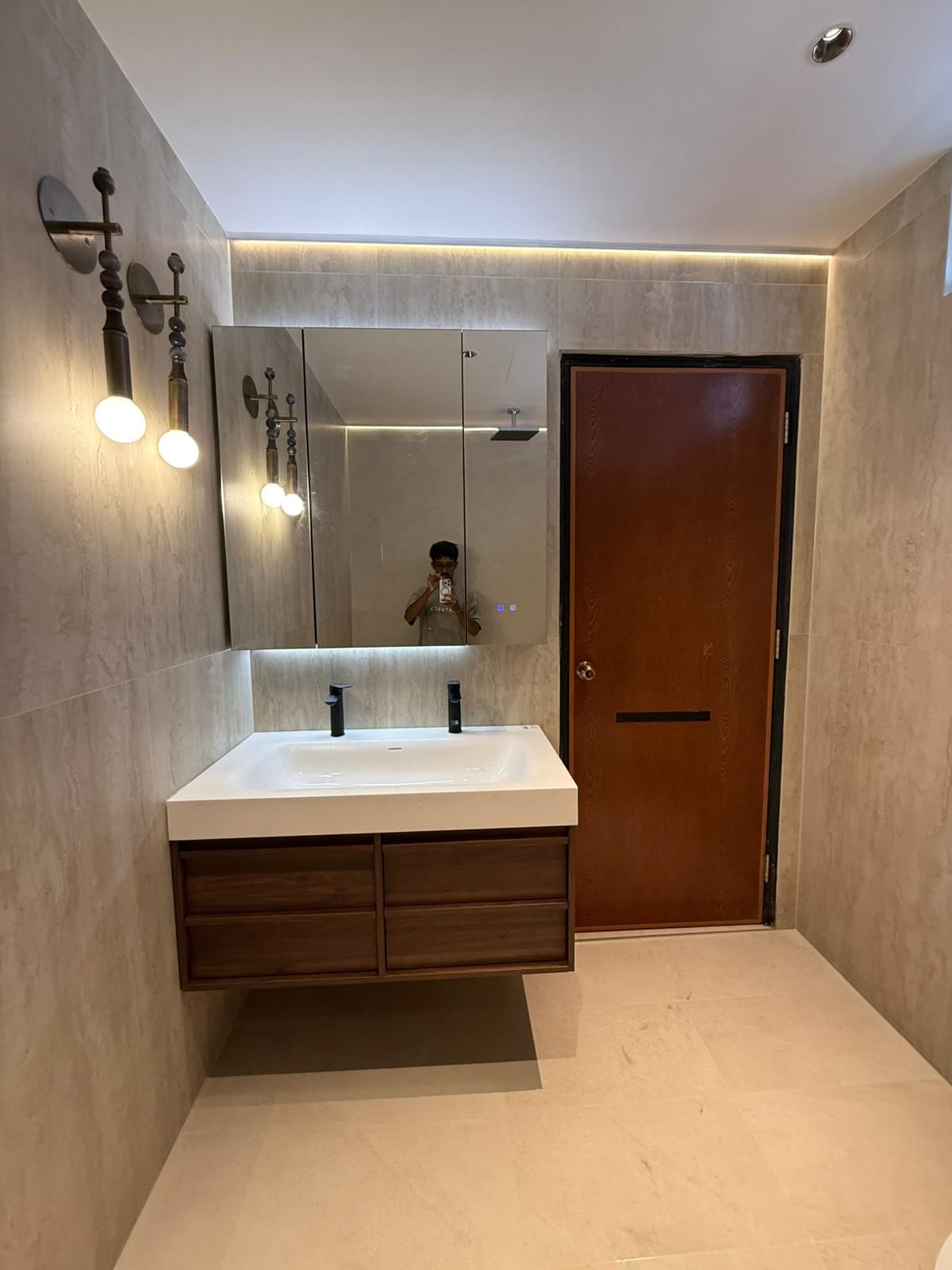
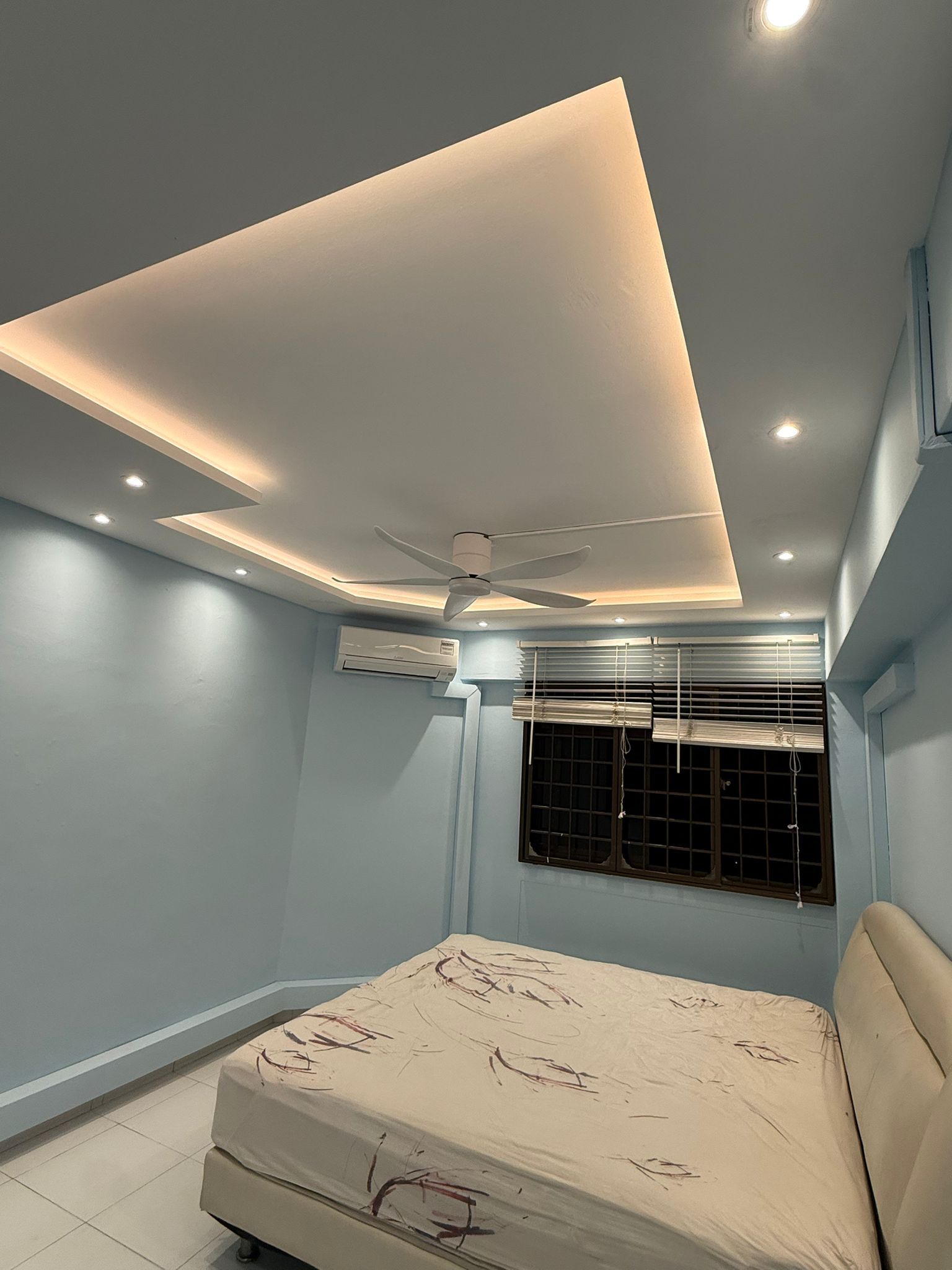
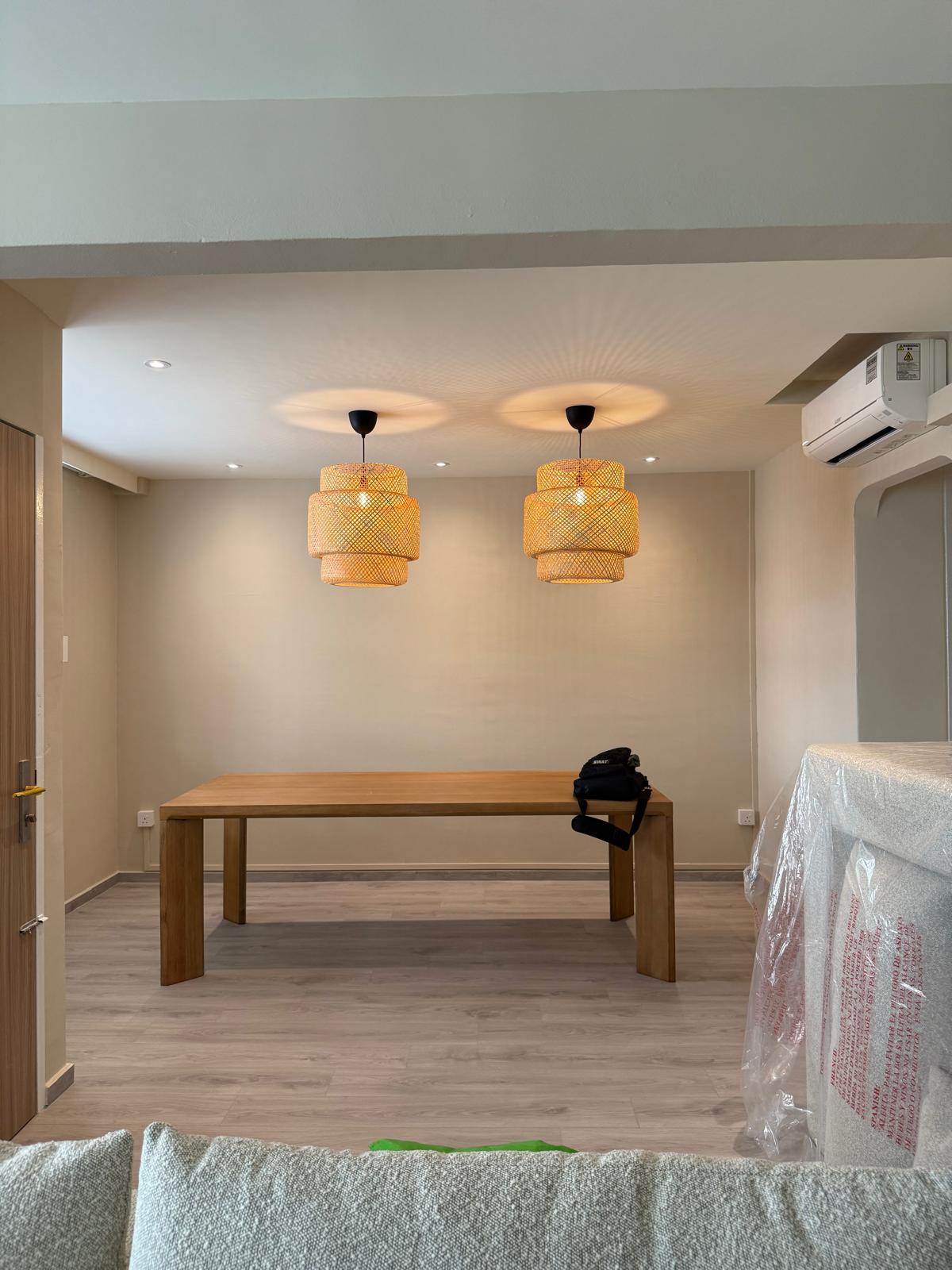
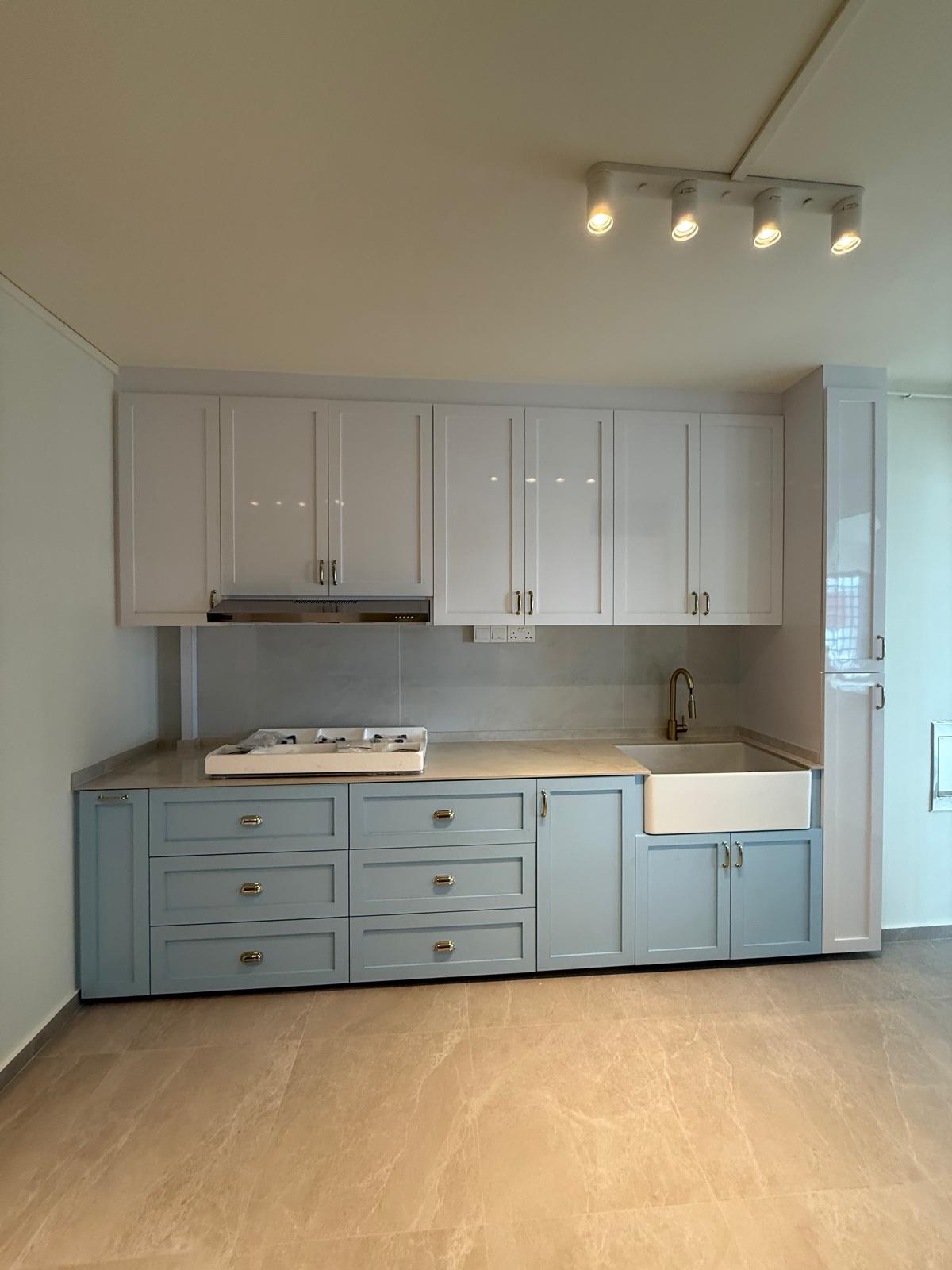
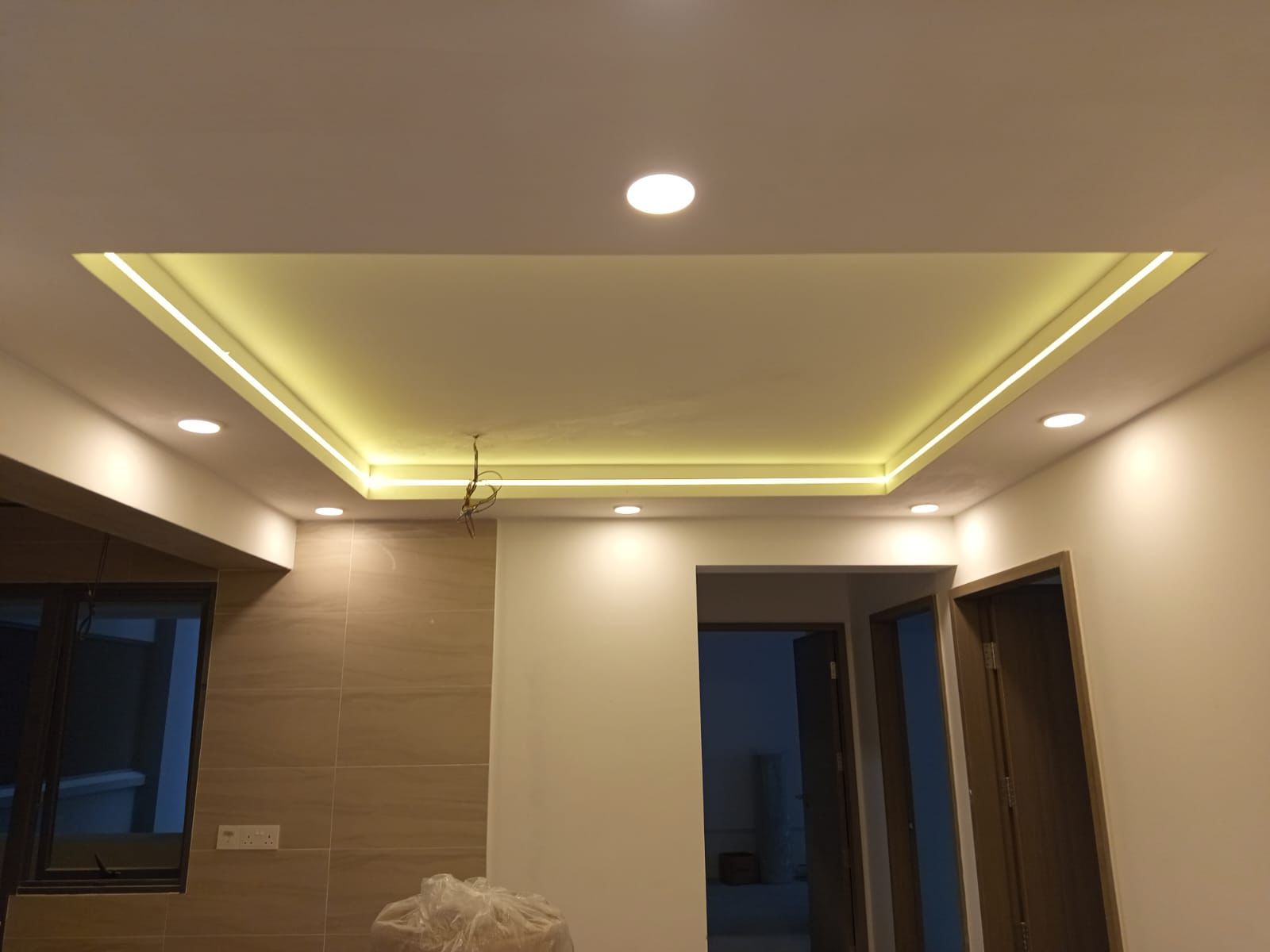
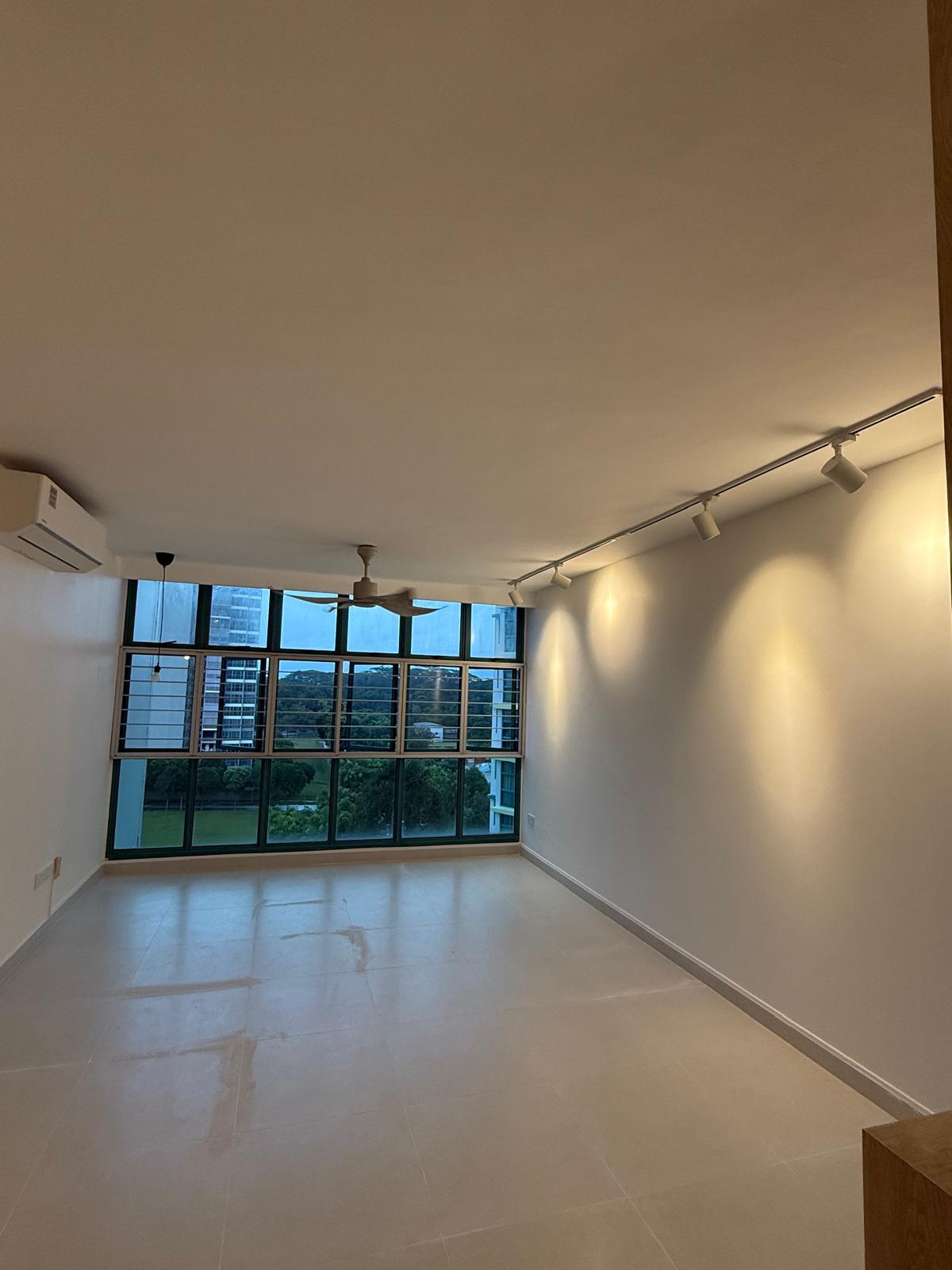
- New lighting points (downlights, track lights, feature lights)
- New power points (sockets), switch points, and point relocation
- Dedicated circuits for higher-load appliances (where required)
- DB/circuit assessment for better circuit grouping and capacity
- Testing, labelling, and final termination after renovation works
4) Practical planning checklist (to avoid expensive last-minute changes)
Most electrical rework happens because point planning was not aligned with carpentry and furniture placement. Lock your carpentry layout first, then finalise your electrical point plan.
- TV feature wall: sockets + router/mesh location + space for concealed cables
- Bedrooms: bedside charging, study table, wardrobe/dressing table needs
- Kitchen: list every countertop appliance you actually use (kettle, coffee machine, air fryer, etc.)
- Service yard: washer/dryer, water heater location, practical lighting
- Add a few ‘future points’ (cheaper now than adding later)
5) Timeline during renovation (typical flow)
- Step 1: site assessment + confirm point layout
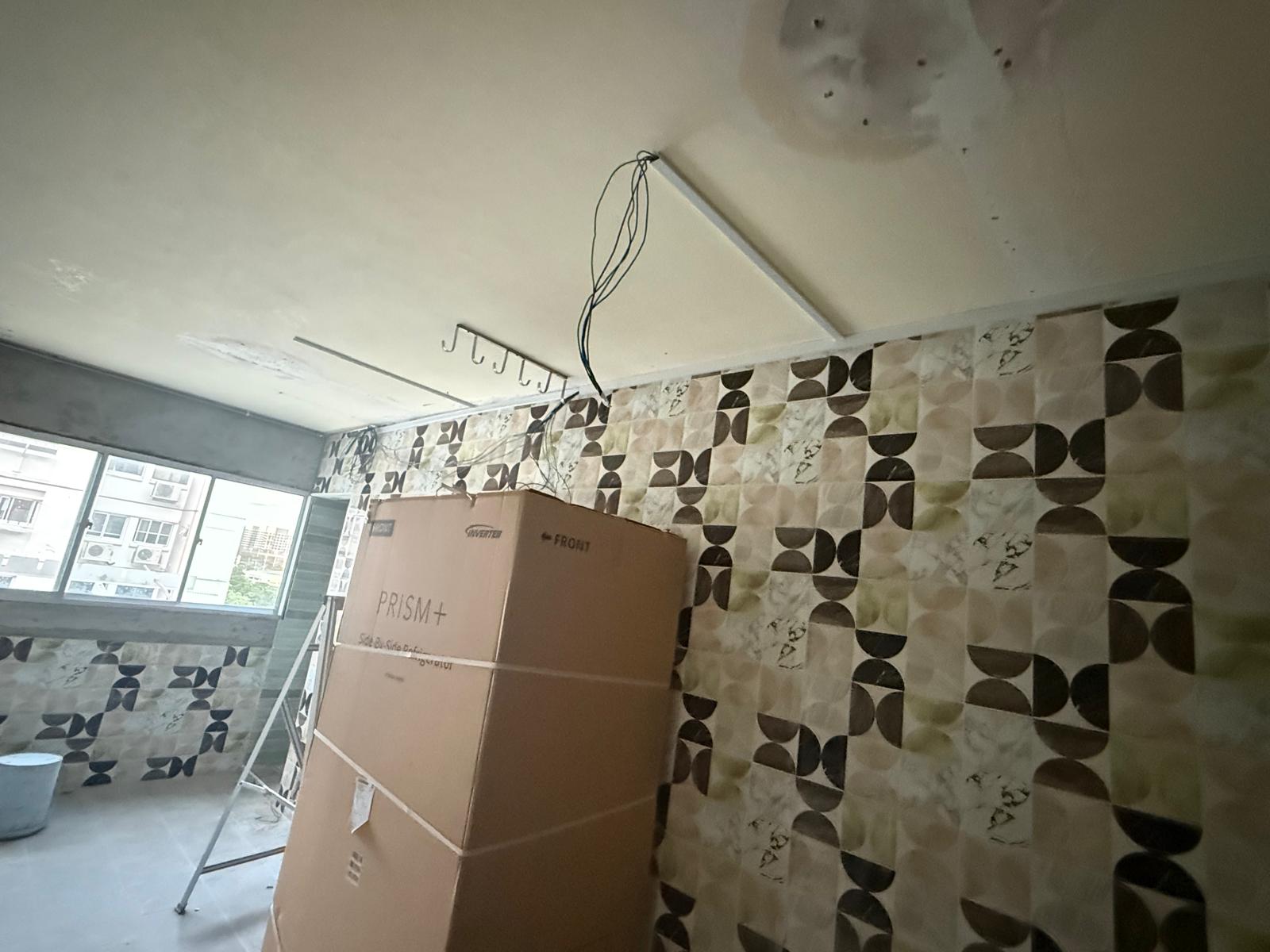
- Step 2: rough wiring / routing before ceiling & carpentry close up
- Step 3: final installation (sockets, switches, lights) after finishes
- Step 4: testing, commissioning, and circuit labelling

