
Renovation Guides
HDB Renovation Quotation Singapore: How to Compare Quotes Before You Sign
A practical framework for comparing renovation quotations by scope, quantities, specifications, exclusions, allowances, variations and responsibilities.
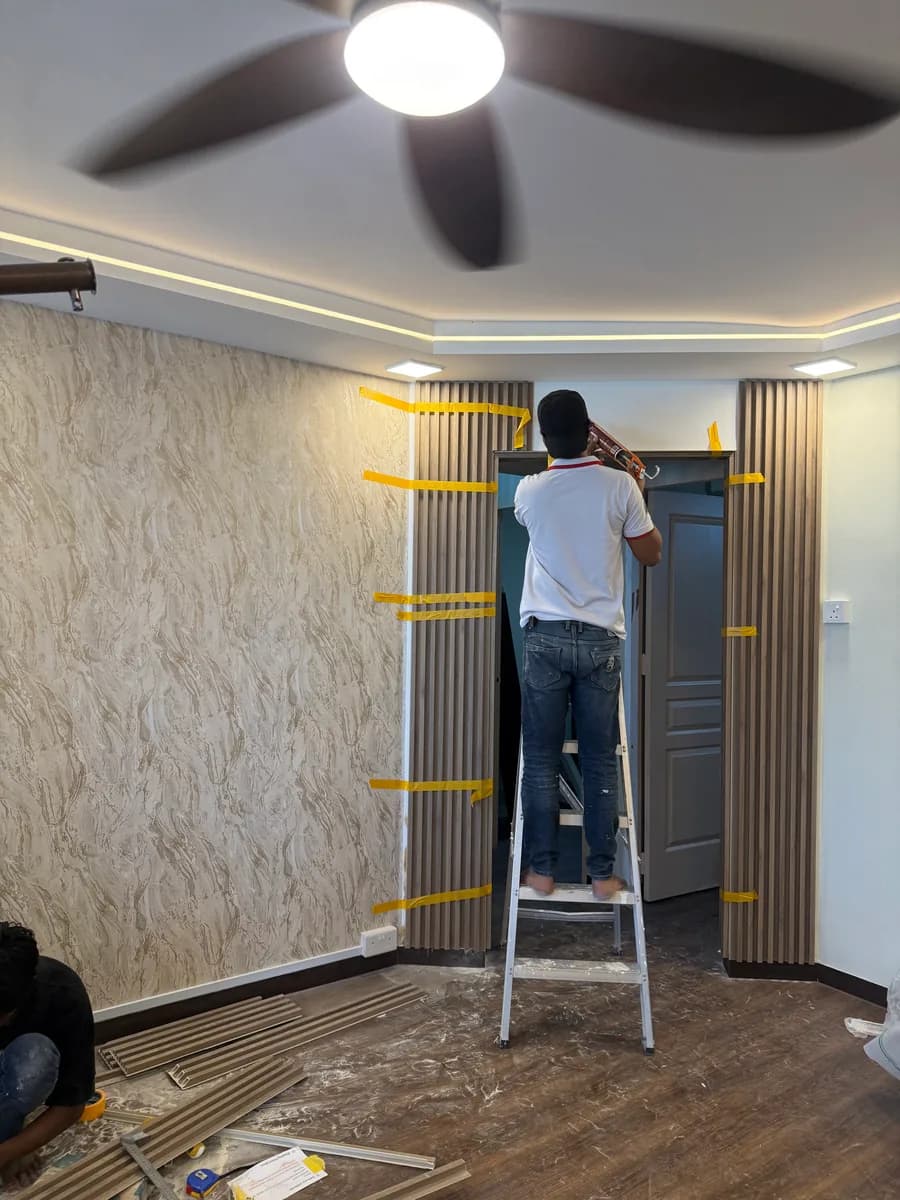
Two HDB renovation quotations can show very different totals even when they appear to describe the same home. One may include hacking, disposal, surface preparation and reinstatement while another lists only the new finish. One may specify measured quantities and materials while another uses a broad lump sum. The totals are not meaningfully comparable until the underlying scope is aligned.
A useful quotation should help both homeowner and contractor understand what is being priced, what remains uncertain, what the homeowner supplies and how changes will be handled. This guide provides a practical comparison method; it is general planning information, not legal advice or a substitute for reading the actual quotation and contract documents.
Start With the Same Renovation Scope
Before comparing totals, prepare one brief that every contractor can price. Work room by room and state what stays, what is removed, what is supplied new and which existing conditions need assessment. If Quote A prices a complete bathroom rebuild while Quote B prices an overlay and fitting replacement, the difference is scope—not simply price.
- Property type, BTO or resale status and floor plan
- Current photographs and known condition concerns
- Items to retain, protect, dismantle, hack, relocate or replace
- Kitchen, bathroom, flooring, ceiling, painting and carpentry requirements
- Electrical points, lighting, appliances and plumbing fixture changes
- Preferred materials or performance requirements
- Products supplied by the homeowner and by the contractor
- Expected start period and any known access constraints
Itemised Quotations vs Lump-Sum Descriptions
A lump-sum line can be legitimate, but it is harder to compare when the work inside it is unclear. An itemised quotation separates relevant trades, rooms or work stages so you can see whether removal, preparation, supply, installation and making-good are included. Itemisation also makes later scope changes easier to identify.
| Quotation wording | What to clarify |
|---|---|
| Renovate kitchen — lump sum | Cabinet quantities, countertop, dismantling, tiles, plumbing, electrical work, painting and exclusions |
| Bathroom works | Hacking or overlay, disposal, substrate preparation, waterproofing scope, screed, tiles, fixtures and reinstatement |
| Electrical works | Point types and quantities, routing, circuits or broader rewiring scope, fittings, testing and excluded products |
| Carpentry package | Measured lengths, heights, depths, internal configuration, materials, hardware, countertop and dismantling |
| Painting whole house | Rooms and surfaces, preparation, coats or system where specified, colours, doors or ceilings, repairs and exclusions |
Check Quantities, Measurements and Units
A rate without a quantity does not reveal the likely total. Check whether flooring and tiling use an area, carpentry uses an appropriate measured quantity, and electrical or plumbing work identifies points or fixtures. Ask how final measurements will be confirmed and how the price changes if the actual quantity differs from an initial estimate.
Floor plans can support early pricing but may not confirm site dimensions, wall conditions or fitting clearances. Measurement-dependent work and existing conditions may require a site visit before the detailed scope is confirmed.
Compare Material and Product Specifications
Descriptions such as premium, standard or good quality are difficult to compare by themselves. Where relevant, identify the product, material, finish, dimensions, construction, hardware or agreed selection basis. If the exact product will be chosen later, the quotation should make clear what has been allowed and what happens if the selection costs more or less.
- Tile supply responsibility, size range and any stated allowance
- Carpentry board, visible finish, internal finish and hardware
- Countertop material, profile, cut-outs and measured quantity
- Flooring system, preparation, skirting, trims and transitions
- Paint scope, surface preparation and agreed product system
- Sanitary, lighting and appliance models or owner-supplied responsibility
- Doors, glass, ceiling and partition specifications where included
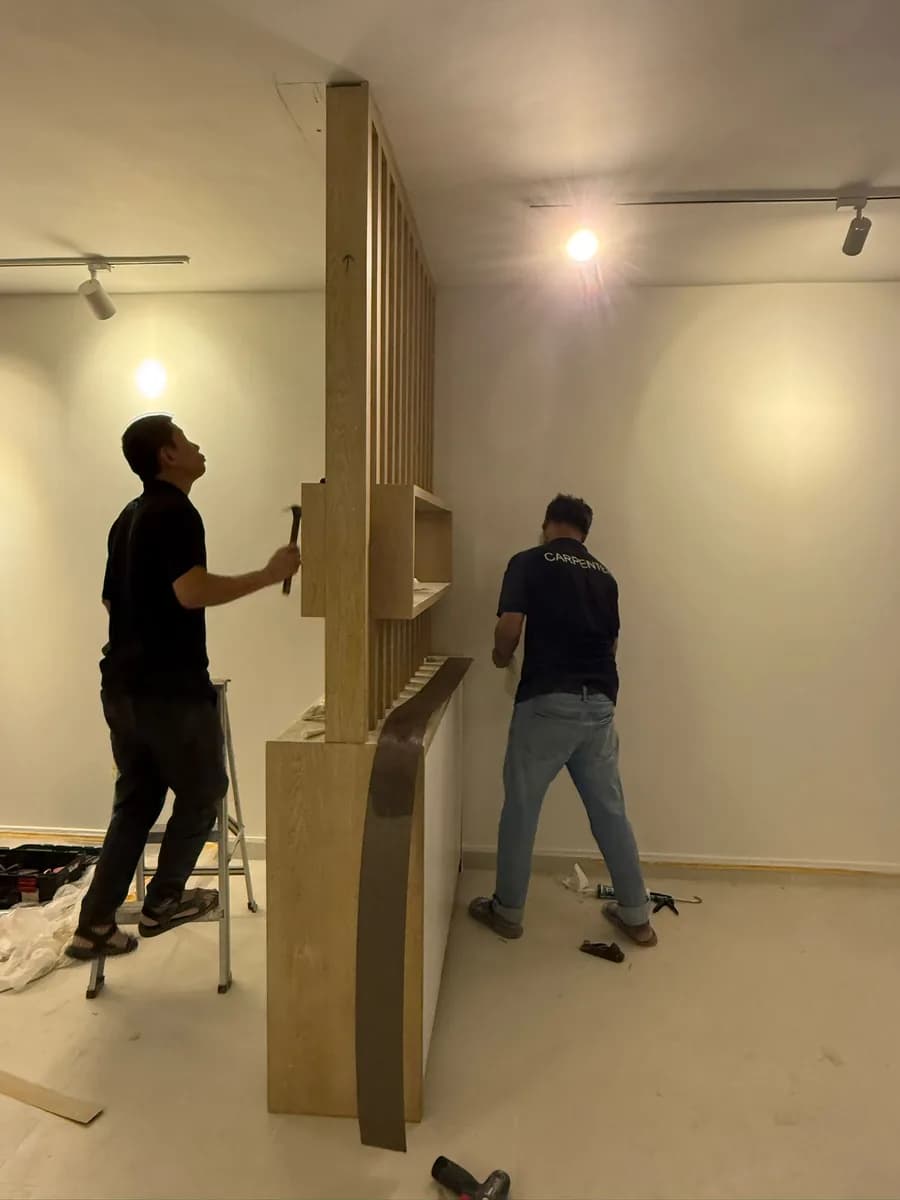
Read Inclusions, Exclusions and Responsibilities Together
An exclusion is not automatically a problem when it is clear and deliberate. The risk comes when an essential supporting task is absent from the comparison. For each new finish or fixture, trace the whole sequence: protection, dismantling, hacking, disposal, preparation, supply, installation, connection, testing, making-good and cleaning where applicable.
- Protection of retained finishes and common access areas
- Dismantling, hacking, haulage and disposal
- Substrate repair, screeding, plastering or making-good
- Waterproofing scope when wet areas are rebuilt
- Electrical and plumbing disconnection, rerouting and reconnection
- Delivery, access, lifting or other stated site arrangements
- Owner-supplied items, delivery timing and installation responsibility
- Touch-up, testing, rectification and handover scope
Identify Allowances, Optional Items and Site-Dependent Work
A quotation may contain provisional, optional or condition-dependent items when a selection or concealed condition is not yet confirmed. Do not treat these as fixed inclusions. Ask what assumption or quantity supports the allowance, when it will be confirmed, and how any adjustment will be documented.
Existing substrates, concealed pipes, wiring, waterproofing and work behind built-ins may not be fully visible before removal. A careful quotation can state what was observed, what is assumed, what is excluded and the approval process if additional work becomes genuinely necessary.
Review Payment Terms and Project Documents
Read the actual payment stages, due events, quotation validity, cancellation or refund wording, responsibilities and other project-specific terms before signing. Do not assume that one contractor's schedule or wording is an industry-wide standard. Ask for clarification where a trigger, amount or deliverable is unclear, and retain the accepted documents and written approvals.
How to Review Variation Orders Before Work Changes
A variation is a change to the agreed scope. It may arise from a homeowner request, an approved design revision, a changed selection or a site condition discovered after work begins. Before authorising it, record what is added, omitted or replaced, the price effect, any programme effect and whether it changes another trade.
- Describe the original item and the proposed change
- State the reason and any relevant site finding
- Record the added and omitted work
- Confirm the price adjustment
- Confirm any effect on sequence, procurement or completion
- Obtain written approval before proceeding where practicable
- Keep the approved variation with the main quotation and project records
Verbal decisions are easy to misunderstand when several rooms and trades are active. A consistent written process gives both parties a clearer record; it does not remove the need to read the governing project documents.
Illustrative Quote A vs Quote B Comparison
| Comparison point | Illustrative Quote A | Illustrative Quote B | Question to resolve |
|---|---|---|---|
| Kitchen cabinets | One package total | Separates base, wall and tall units | Do both include the same measured quantity, internals, finish and hardware? |
| Existing kitchen | Not mentioned | Dismantling and disposal listed | Is removal included in A or outside its total? |
| Countertop | Material named only | Material, measured length and cut-outs listed | Are quantity, edge details, openings and installation aligned? |
| Electrical | Allowance | Point types and quantities listed | What work supports A's allowance and how will it be adjusted? |
| Painting | Whole house | Rooms, ceilings and preparation described | Which surfaces and repairs are included in each? |
| Changes | No process stated | Written variation approval described | How will added or omitted work affect price and programme? |
Quote B is not automatically better or cheaper. Its detail simply makes comparison easier. Quote A may cover the same work, but that should be clarified in writing before relying on the total.
The Cheapest Renovation Quote Is Not Always the Best Value
A lower total can be good value when it prices the same work efficiently. It can also reflect fewer quantities, different materials, missing supporting work or more owner-supplied items. A higher total can include broader work without necessarily being the right choice. First normalise the scope, then consider clarity, practical approach, relevant project evidence, communication and the contractor's ability to coordinate the required trades.
Renovation Quotation Warning Signs to Clarify
A warning sign is a reason to ask a question, not proof of wrongdoing. Context matters, and some details may sit in drawings, schedules or separate terms. Clarify the complete document set before deciding.
- A major work category appears only as an unexplained lump sum
- Quantities, units or key specifications are absent where they affect comparison
- Removal, preparation or reinstatement is unclear
- Allowances are presented as though they were confirmed fixed scope
- Owner-supplied and contractor-supplied responsibilities conflict
- The quotation and drawings describe different work
- Payment triggers or variation approval steps are unclear
- Important verbal assurances do not appear in the written documents
- A condition-dependent claim is made without assessment or stated assumptions
Renovation Quotation Comparison Checklist
- Give each contractor the same room-by-room brief
- Confirm what will be retained, protected, removed and replaced
- Match work categories line by line rather than totals alone
- Check quantities, measurement units and how final quantities are handled
- Compare materials, products, finishes and hardware
- Trace removal, preparation, installation and making-good
- List exclusions and owner-supplied products
- Identify allowances, optional items and site-dependent work
- Read payment, cancellation, variation and other project-specific terms
- Resolve differences in writing before accepting the quotation
- Keep the accepted quotation, drawings, schedules and later approvals together
Request a Renovation Quotation From RenoExpert
For a useful first discussion, share the property type, floor plan, current photographs, rooms involved, items to retain or remove, preferred finishes, major appliances or fixtures, carpentry requirements and expected start period. A site visit may be needed to verify measurements, existing conditions and interconnected work before a detailed quotation is confirmed.
Frequently Asked Questions
How do I compare renovation quotations in Singapore?
Give each contractor the same room-by-room brief, then compare quantities, specifications, inclusions, exclusions, allowances, owner-supplied items, payment terms and the variation process before comparing totals.
Should an HDB renovation quotation be itemised?
Itemisation makes comparison and later changes clearer. A lump-sum item may still be usable, but ask what removal, preparation, supply, installation and making-good it contains.
Why are two renovation quotes so different?
They may price different work, quantities, materials, responsibilities or assumptions. Align the scope line by line before concluding that one contractor simply charges more.
What renovation quotation exclusions should I check?
Check protection, dismantling, hacking, disposal, substrate preparation, waterproofing where applicable, service work, making-good, delivery arrangements, owner-supplied items, testing and finishing.
What is an allowance in a renovation quote?
An allowance is an amount or assumption used when a selection, quantity or condition is not yet confirmed. Ask what supports it, when it will be finalised and how any adjustment will be documented.
What is a renovation variation order?
It records a change to the agreed scope, including added or omitted work, price effect and any programme impact. The applicable approval process should follow the project's actual documents.
Is the cheapest renovation quotation the best choice?
Not necessarily. First confirm that the quotes cover the same scope and specifications, then consider clarity, project approach, evidence, communication and coordination as well as total price.
Can I get a renovation quotation from a floor plan?
A floor plan, photographs and room requirements can support an initial discussion or estimate. Site measurements and condition-dependent work may still require inspection before a detailed quotation is confirmed.
What should I send when requesting an HDB renovation quote?
Share the property type, floor plan, current photos, items to retain or remove, room-by-room work, preferred finishes, owner-supplied products, carpentry and service requirements, and expected start period.
Should verbal promises be included in the renovation quotation?
Important scope, specification, responsibility, price or programme points should be clarified in the written project documents so both parties have a consistent record to refer to.
Related Renovation Guides
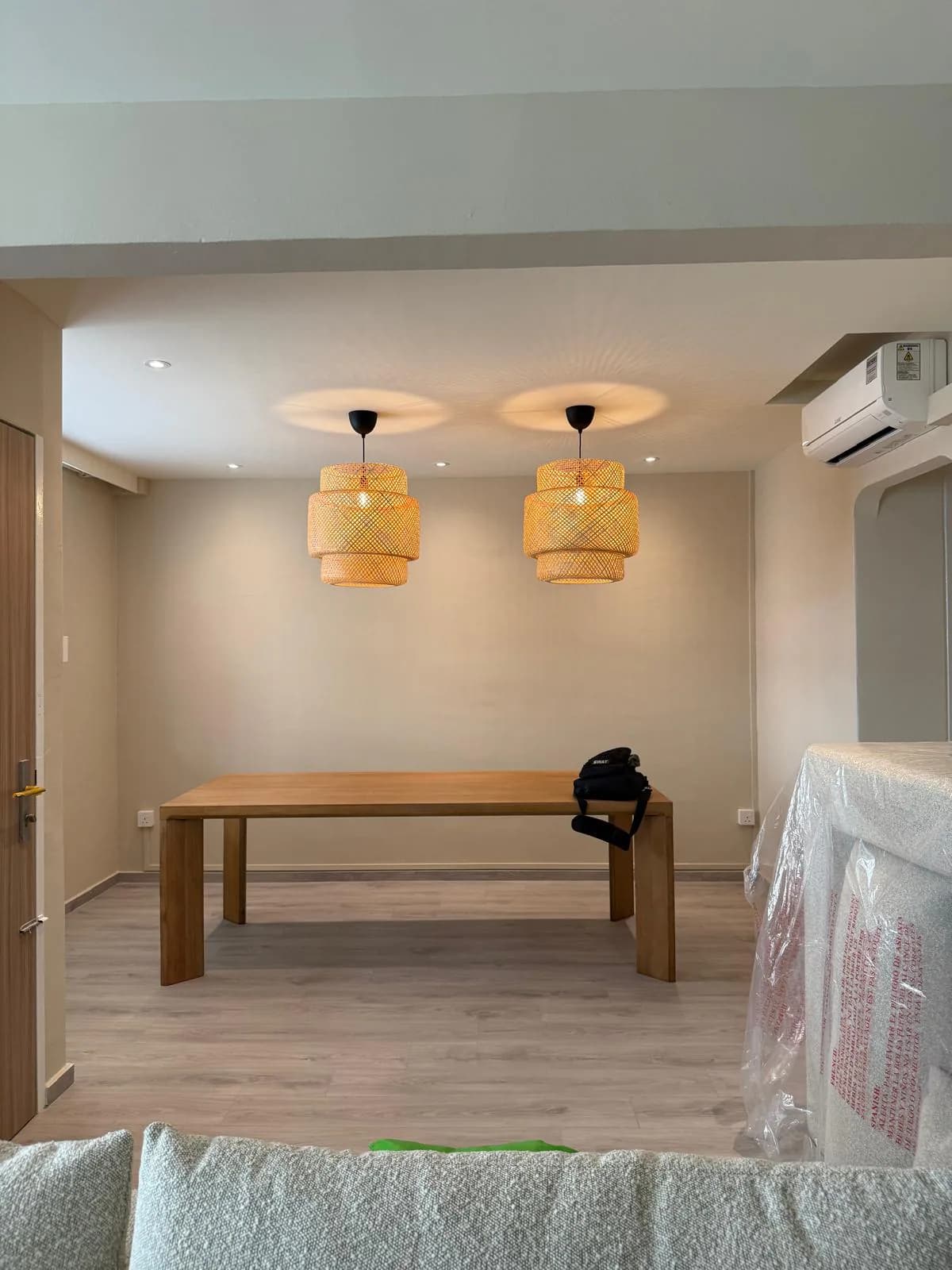
Renovation Cost
HDB Renovation Cost Singapore 2026: A Practical Price Guide for Homeowners
A practical comparison of 2026 HDB renovation market ranges, RenoExpert starting packages and the scope decisions that shape your final quotation.
Read guide
Renovation Guides
HDB Renovation Timeline Singapore: How Long Does Renovation Take?
A practical guide to renovation phases, trade dependencies, BTO and resale planning, common delays and the decisions that keep an HDB project moving.
Read guide
Renovation Guides
BTO vs Resale Renovation Singapore: Costs, Scope & What to Expect
A practical comparison of BTO and resale renovation scope, existing conditions, hacking, services, finishes, costs, timelines and quotation planning.
Read guideSpeak with RenoExpert
Request an Itemised Renovation Quotation
Share your floor plan, site photos and requirements so the proposed work can be reviewed clearly.